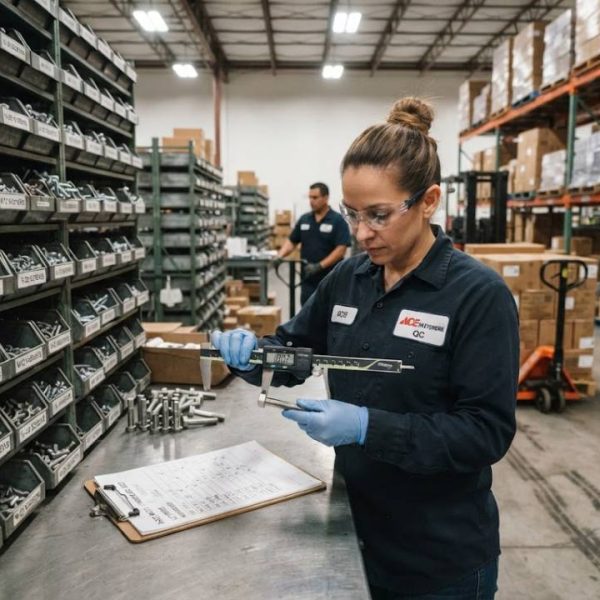
A missing washer on a single order can stop an assembly line for hours. That kind of exposure is why procurement teams treat fastener sourcing with far more rigor than the size of the parts might suggest. Bolts, screws, and washers are small, but the cost of getting the supply chain wrong is not.
Specification Accuracy Comes Before Price
Thread pitch, material grade, and coating type have to match exactly, since a fastener that looks identical on a shelf can behave completely differently under load or corrosion exposure. Buyers who prioritize price over precise specification matching often end up paying far more later in failed parts or warranty claims.
International Suppliers Bring Documentation Challenges
Sourcing from overseas manufacturers means dealing with certificates of conformity, material test reports, and compliance paperwork that often arrive in the supplier's own language. Companies handling regulatory filings for imported hardware frequently rely on certified translation services uscis processes accept without additional review, avoiding customs delays caused by paperwork questions alone.
Documentation is only half the battle when dealing with overseas suppliers; the commercial side needs the same attention. Quotes, supply contracts, and quality agreements often arrive in the supplier's language, and misreading one clause can be costly. Experienced business translation services turn these documents into reliable, actionable terms. That clarity lets procurement teams negotiate confidently instead of guessing at fine print.
Growing Supplier Networks Beyond A Single Region
A distributor expanding its supplier base into new markets, including Portuguese-speaking manufacturing regions, benefits from working with a consistent portuguese translation company across contracts and technical specifications, so terminology stays aligned as the supplier list grows.
Meeting Requirements Across Multiple Jurisdictions
Businesses supplying fasteners into regulated industries, such as construction or aerospace, across different countries often need certified translation services uk authorities and clients will accept without question, particularly when the same product line ships into several regulatory environments at once.
Inventory Accuracy Protects Against Costly Downtime
Contractors and manufacturers that keep tight inventory records for fast-moving items like bolts and screws avoid the kind of last-minute scramble that stalls a job site or production run. A well-organized parts bin system, paired with accurate digital tracking, prevents most of the stockouts that cause real schedule slippage.
Building Relationships With More Than One Supplier
Relying on a single supplier for critical fasteners creates fragility that becomes obvious the moment that supplier faces a delay. Buyers who maintain qualified backup suppliers, even for parts they rarely need in volume, protect their own delivery commitments when the primary source runs into trouble.
Quality Testing Cannot Be Skipped For Speed
Fasteners that fail a load test rarely fail gracefully, and the consequences of a shortcut in testing show up long after the part is already installed. Reputable suppliers document their testing process clearly, and buyers who ask to see that documentation before a first order catch problems that a sample alone would not reveal.
Packaging And Labeling Affect Efficiency On The Ground
Clear, consistent labeling on bins and packaging saves real time on a busy job site or production floor, where a mislabeled box of the wrong screw length can cost far more in delay than the part itself is worth.
How global manufacturers source reliable fastener suppliers involves plenty of auditing, but the relationships that last are usually the ones where both sides can raise a problem without waiting for an interpreter. That is a skills question rather than a procurement one. Giving purchasing teams access to structured language learning resources is an unglamorous investment that quietly shortens every negotiation that follows.
An Industry Perspective On Sourcing Standards
According to the International Organization for Standardization, consistent adherence to recognized fastener standards remains one of the most reliable ways manufacturers reduce failure rates across complex, multi-supplier assemblies.
Lead Times Deserve As Much Attention As Price
A slightly cheaper supplier with an unreliable lead time often costs more in the end than a marginally pricier one that ships on schedule every time. Buyers who track actual delivery performance, not just quoted lead times, make far better long-term sourcing decisions than those who compare quotes alone.
Custom Fasteners Require Longer Planning Windows
Standard bolts and screws can often be sourced quickly from stock, but custom specifications, unusual thread patterns, or specialty coatings require tooling and setup time that standard parts do not. Projects that account for this lead time early avoid the expensive rush fees that come with last-minute custom orders.
Digital Catalogs Are Reshaping How Buyers Search
Procurement teams increasingly expect searchable digital catalogs with clear specification filters, rather than static PDF price lists. Suppliers who invest in this kind of searchable, well-organized online presence make it easier for buyers to find the exact part they need without a lengthy back-and-forth over email or phone.
Sustainability Considerations Are Entering Procurement Decisions
More manufacturers now ask suppliers about the environmental footprint of their fastener production, from material sourcing to shipping distance. Suppliers who can answer these questions clearly, with real data rather than vague assurances, increasingly win business from buyers under pressure to document their own supply chain impact.
What Separates A Good Supplier From A Great One
Any reasonably competent supplier can deliver the right part most of the time. The suppliers that earn repeat business over years are the ones who flag a potential issue before it becomes a customer's problem, whether that is a shifting lead time, a material shortage, or a documentation gap that would otherwise surface at the worst possible moment.